In 2026, Nonprofit VOTE marks 20 years of civic work rooted in the nonprofit sector. As we honor that milestone, we wanted to take a moment to look back at how this work began and the ideas that shaped it in its earliest days.
Much of that story is centered on our founder, George Pillsbury. Long before Nonprofit VOTE existed, George was drawn to questions of participation, trust, and how change actually happens. Again and again, his work pointed to the same conclusion: democracy is strongest when it is built through service and grounded in the everyday relationships nonprofits have with their communities.
Those ideas would go on to shape the organization that followed.
The Early Years
Not all stories start with the Doughboy, but a surprising number of good ones do. In this case, the tale begins with George Pillsbury, a member of the family best known for biscuits, discovering early on that change must be organized.
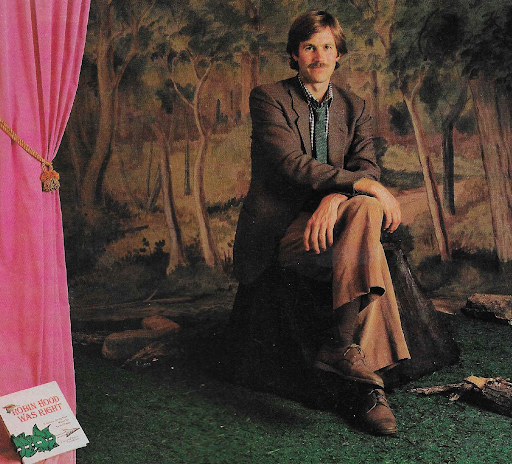
After his first job out of college, a call from his mother about a youth-led foundation supporting activism opened his eyes to community power. Volunteering at a free tax clinic in Chelsea taught him that earning people’s trust through service builds strength far beyond any single campaign.
By the 1990s, the nonprofit and philanthropic sector had grown dramatically, but voter participation was moving in the opposite direction. It became increasingly clear that progress on nearly every issue depended on a democracy that worked and earned the trust and participation of the people it served.
“It became more evident that progress on any issue depended on a democracy and government that worked and had the trust and participation of its citizens. That brought me back to my family roots in good government and elections”
George Pillsbury
1999–2004: Boston Vote Shows What’s Possible
After a mid-career year at Harvard’s Kennedy School studying election systems, George joined the Commonwealth Coalition, where he directed its Money and Politics program and worked alongside organizer Malia Lazu. In Boston, they saw elections increasingly decided in low-turnout primaries, often in districts designed to favor entrenched incumbents, leaving many voters with little reason to participate on Election Day. This led to the creation of Boston Votes and later, MassVOTE, to take action.

2006: Nonprofit VOTE Is Founded
As MassVOTE grew, it became clear that nonprofits in other states were asking the same questions. How could they help the people they served participate in elections, and how could they do it in a way that was nonpartisan, effective, and rooted in trust?
What took shape was not a plan to expand MassVOTE, but a way to connect the work already happening in different places. Nonprofit leaders began doing what they do best: sharing what they were learning, comparing approaches, and realizing how much stronger the work could be if it were coordinated.
Those conversations became more concrete in 2005, when George was approached by Marcia Avner and Jon Pratt of the Minnesota Council of Nonprofits, who were running a comparable statewide program. Rather than replicating MassVOTE state by state, they recognized an opportunity to collaborate and create a shared national initiative that other states could join.
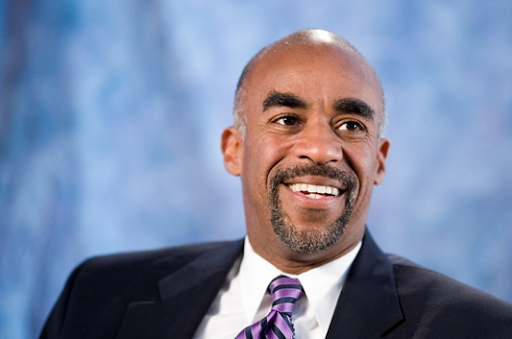
With leadership from Michael Weekes and early participation from nonprofit associations in Michigan, Ohio, North Carolina, Maine, and Louisiana, that collaboration took formal shape. In 2006, it became Nonprofit VOTE, created to support nonprofits across the country with nonpartisan tools, training, and shared learning to make voter engagement part of their everyday work.
George stewarded Nonprofit VOTE through its first decade, helping turn a set of core beliefs into a lasting approach to civic engagement. At its heart was a simple idea: participation grows when people are reached through trusted relationships and invited into democracy in ways that feel relevant, accessible, and nonpartisan.
That belief influenced how nonprofits were supported, how partnerships were built, and how moments of civic engagement could be approached with both seriousness and joy.
More than any single program or milestone, George’s early leadership affirmed the nonprofit sector’s role in strengthening democracy from the ground up. The work was never about building something separate from communities, but about recognizing and supporting the civic power that already existed within them.
As Nonprofit VOTE looks toward the next 20 years, those founding values continue to guide the work.
Here’s to the next 20 years.